







Wetlaid Headbox & Web Forming

KM Aquaformer

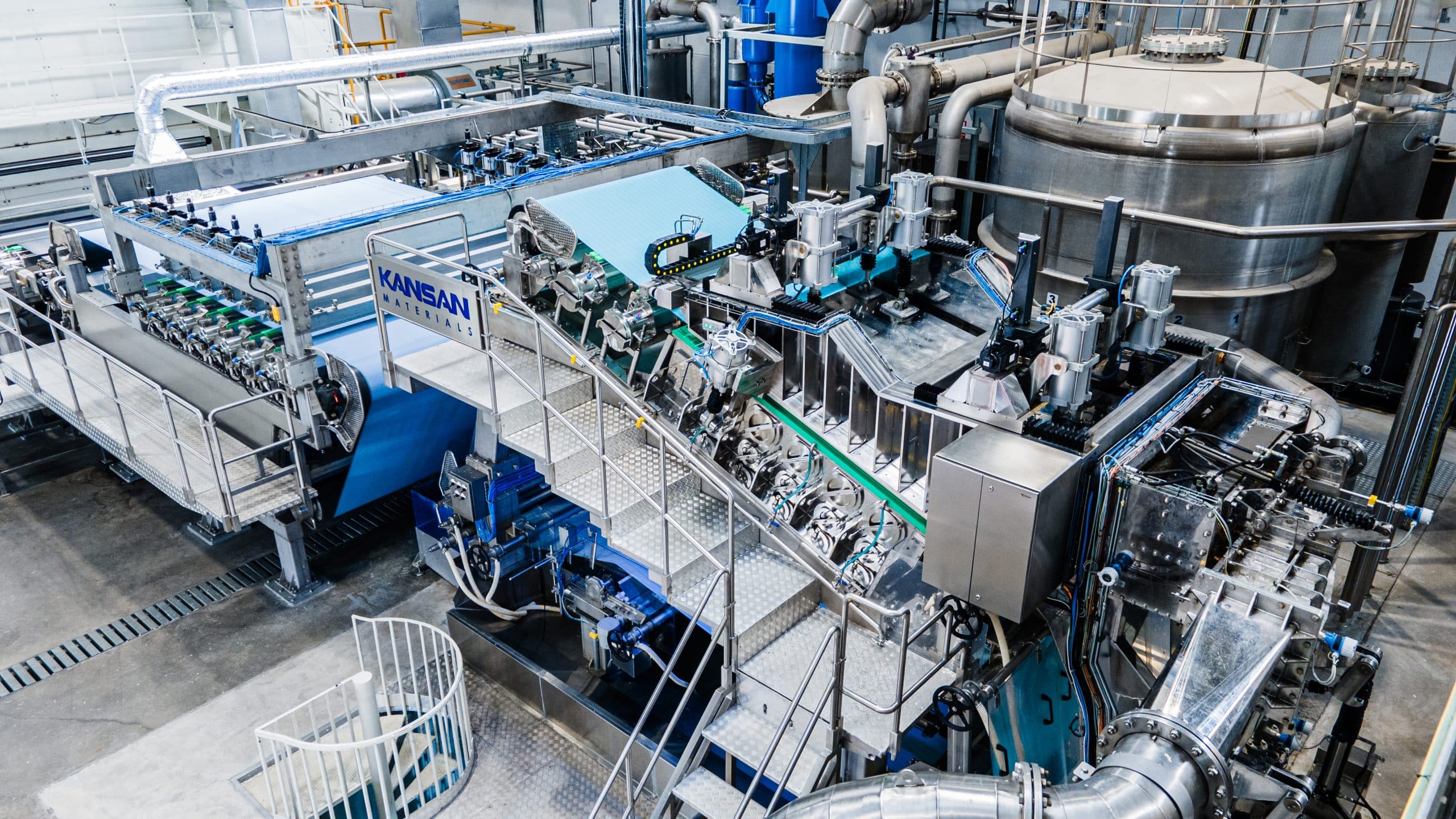
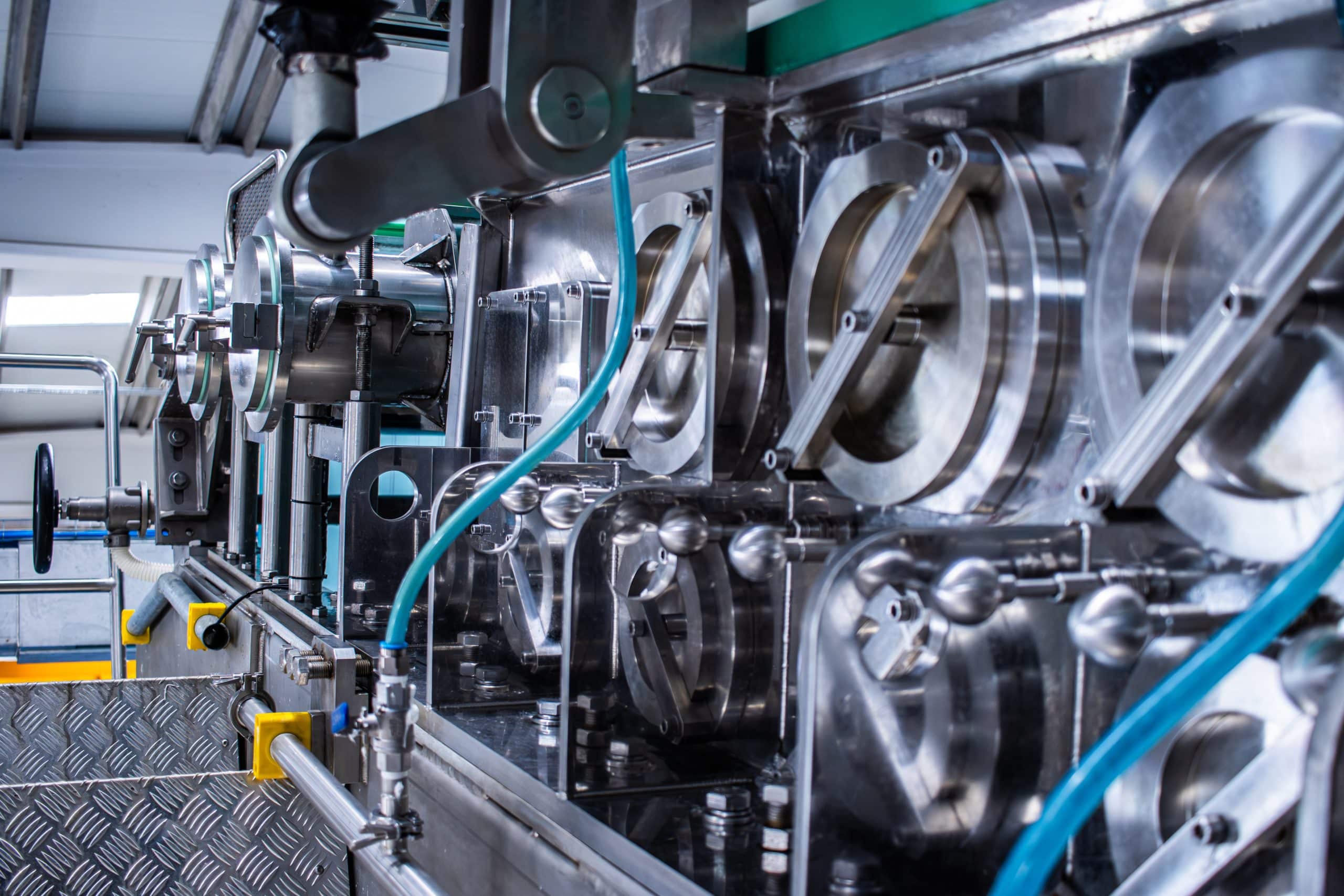
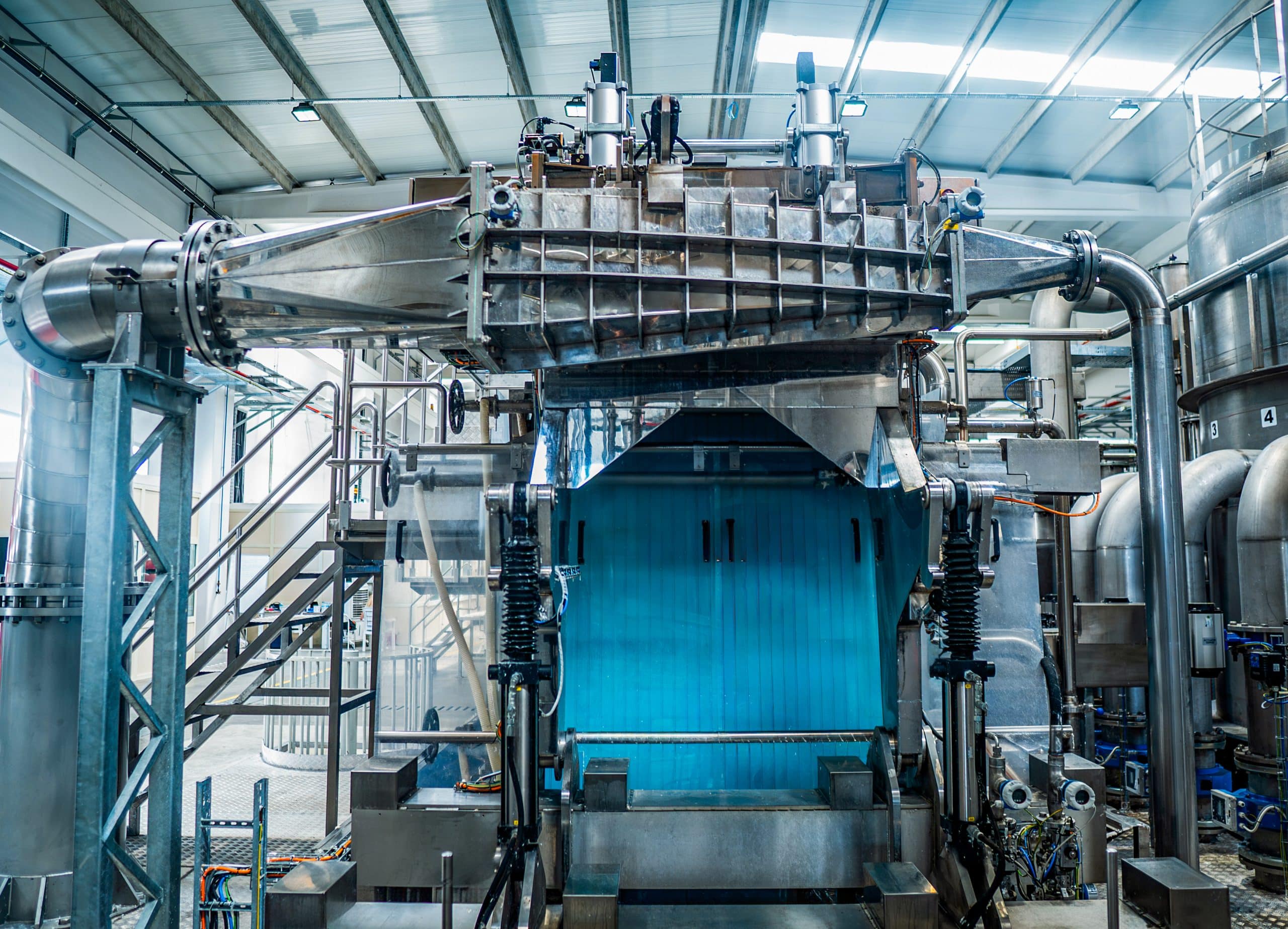
KM Aquaformer is the core headbox and web forming unit of a wetlaid nonwoven production line, designed to transform fiber suspension into a uniform wetlaid web.

Meet us at INDEX 26
Upcoming Event

Meet us at INDEX 26

KM Aquaformer is developed for manufacturers who need precise, stable, and homogeneous web formation in wetlaid nonwoven production.

Water with fibers in suspension is pumped from the white water tank to the headbox, where the fibers are distributed onto the forming mesh. The water passes through the mesh and is removed by suction, while the fibers remain on the surface and form the wetlaid web.

With its inclined headbox design, controlled fiber spacing, and project-based configuration, KM Aquaformer helps manufacturers produce sustainable nonwoven substrates with the right porosity, uniformity, and web structure.

Precision Wetlaid Web Formation

Wetlaid Headbox Performance

KM Aquaformer Wetlaid Headbox is designed to create a uniform wetlaid web by controlling how fibers are delivered, distributed, and laid onto the forming mesh.

Stable pumping, optimized dilution ratio, and precise flow pressure are essential for consistent web formation. The goal is to position fibers evenly, reduce overlap, and achieve the desired porosity across the web.

Uniform Web Formation

Designed to distribute fibers evenly across the forming width.
Stable Fiber Flow

Controlled suspension delivery for consistent web structure.

Optimized Dilution

Adjusted according to fiber type and fiber length.

Desired Porosity

Supports web formation with controlled openness and structure.
The Heart of Wetlaid Nonwoven Production

Why KM Aquaformer?

KM Aquaformer Wetlaid Headbox is built for manufacturers who require high-quality web formation, multi-fiber flexibility, and stable wetlaid process control.

As the headbox unit of the wetlaid production line, it directly affects fiber distribution, web uniformity, substrate quality, and the performance of downstream processes such as hydroentangling, drying, slitting, and converting.

From Fiber Suspension to Wetlaid Web

How KM Aquaformer Works

KM Aquaformer Wetlaid Headbox performs the key wet laying steps in the wetlaid nonwoven production process.

The system receives fiber suspension from the white water tank, distributes it through the headbox, lays the fibers onto the mesh belt, removes water by suction, and creates a wet web ready for the next production stages.

1
Fiber Suspension

Fibers are mixed with water and prepared in suspension.

2
Headbox Feeding

The fiber suspension is pumped from the white water tank to the headbox.

3
Fiber Distribution

The inclined headbox distributes fibers onto the forming mesh.

4
Web Formation

Water passes through the mesh while fibers stay on top and form the web.

5
Water Recovery

Excess water is recycled back to the white water tank for efficiency.

6
Next Process Stage

The formed web continues toward bonding, dewatering, drying, and winding.

Tencel

Abaca

Kevlar

Glass Fiber

Carbon Fiber

Ceramic

Multi-Fiber Wetlaid Production

Compatible Fiber Types

KM Aquaformer Wetlaid Headbox can be configured for different fiber types and fiber blends, supporting manufacturers that want to develop sustainable, technical, and high-performance wetlaid nonwoven substrates.

The system is suitable for organic fibers such as wood pulp as well as synthetic and inorganic fibers. Public Kansan Materials content references materials such as pulp, Tencel, abaca, Kevlar, carbon, ceramic, and glass fibers.

Wetlaid Nonwoven Substrate Applications

APPLICATION AREAS

KM Aquaformer Wetlaid Headbox is suitable for manufacturers developing wetlaid nonwoven substrates for hygiene, wipes, filtration, medical, technical, construction, insulation, and specialty applications.

Its fiber flexibility and web forming control make it a strong solution for both sustainable disposable products and technical nonwoven materials.

Supporting diverse industries with flexible production solutions

Wetlaid Headbox

Designed for Sustainable Material Innovation

Sustainable Wetlaid Technology

Wetlaid technology enables the production of nonwoven materials from renewable, cost-effective, and eco-friendly fibers such as cellulose and pulp.

KM Aquaformer Wetlaid Headbox supports this approach by forming wetlaid webs through a water-based process and recovering excess water back to the white water tank for cost and energy savings.

Renewable Fiber Potential

Supports cellulose, pulp, and natural fiber applications.

Water-Based Forming

Uses fiber suspension and controlled wetlaid web formation.

Water Recovery

Excess water is returned to the white water tank.

Sustainable Substrates

Supports flushable and biodegradable material development.

Ready to Develop Your Wetlaid Web Forming Process?

REQUEST A QUOTE

Contact Kansan Materials to discuss your fiber type, line width, target basis weight, desired porosity, production capacity, and wetlaid nonwoven substrate requirements.