

Hydroentanglement & Waterjet

KM HydroJet

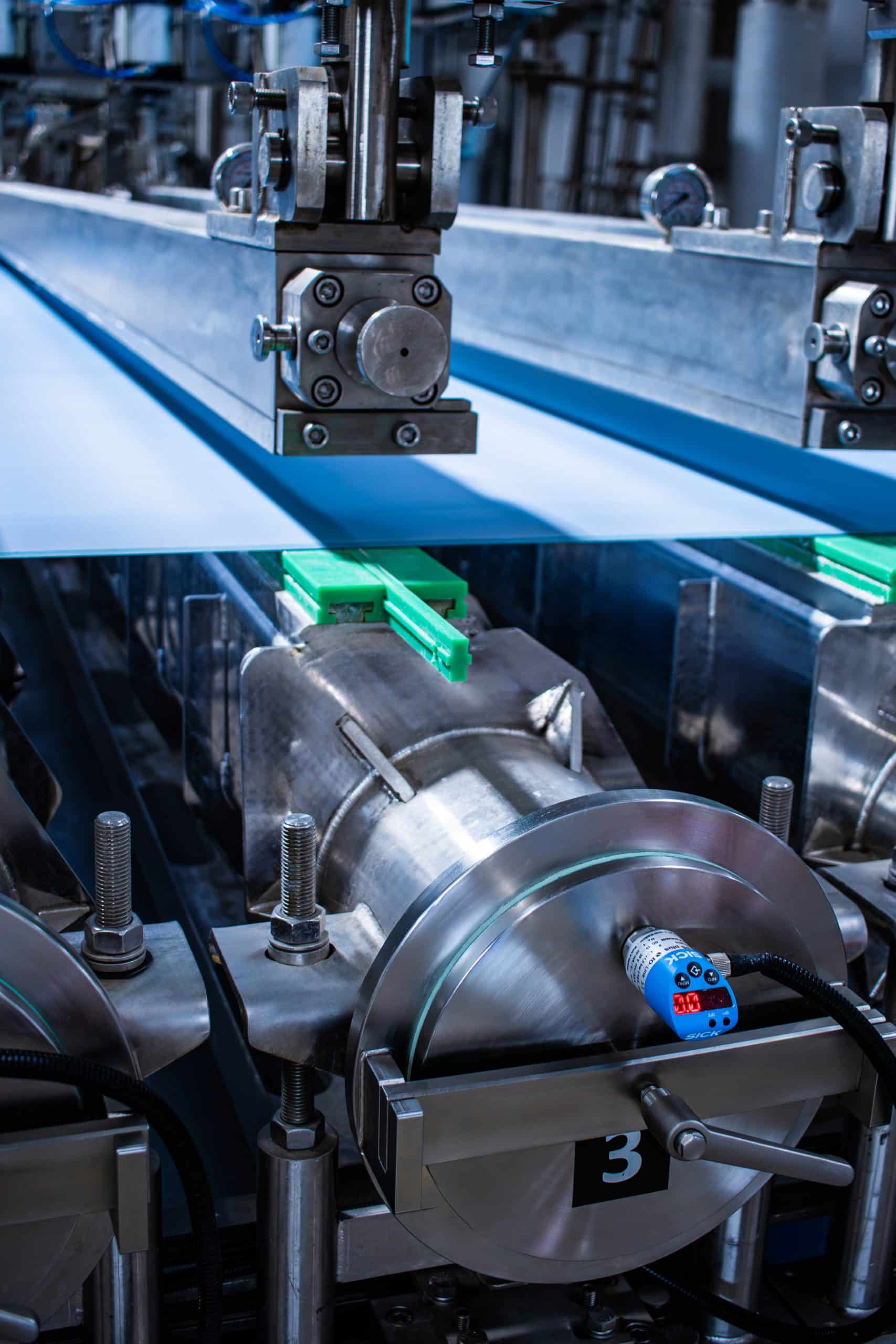
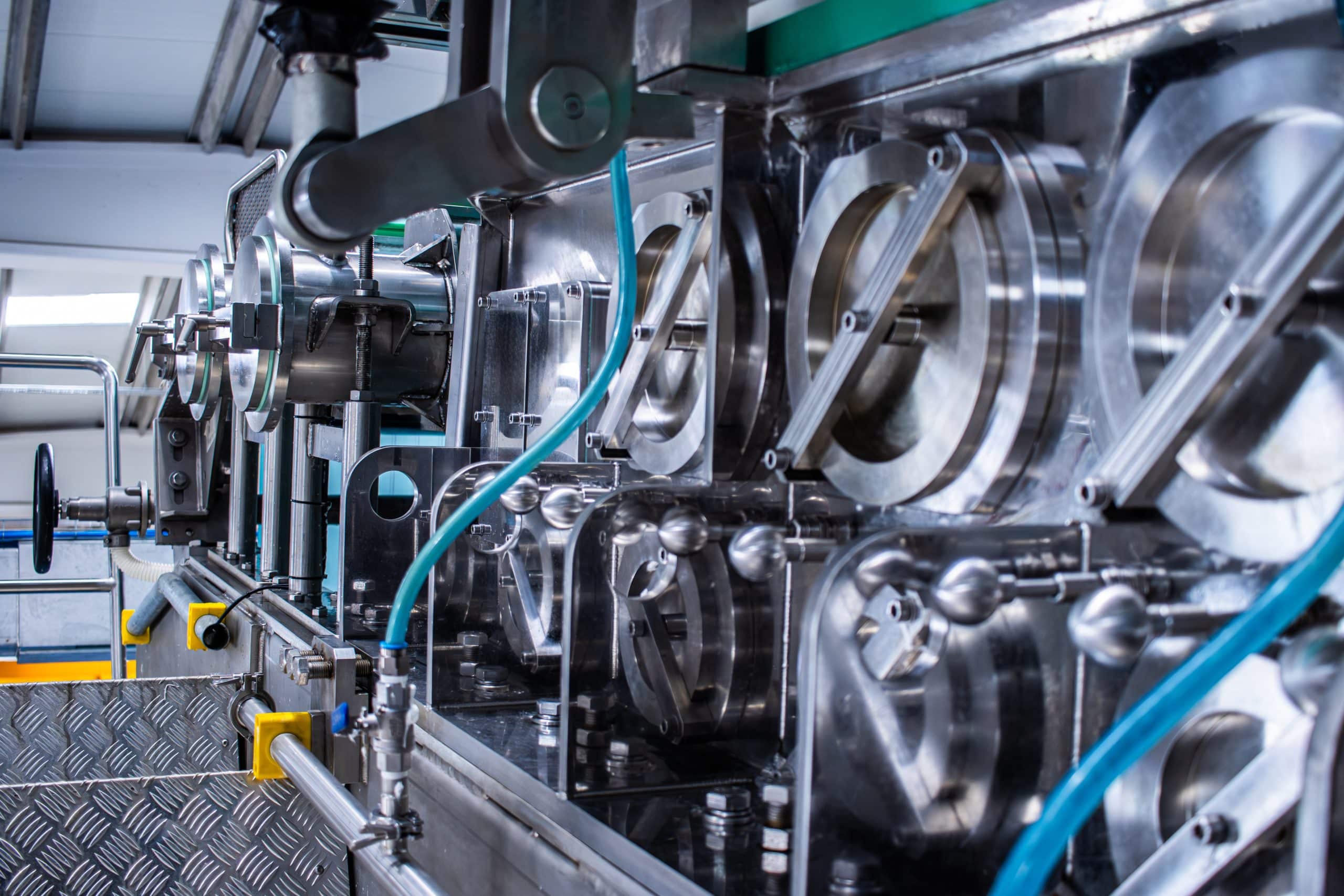
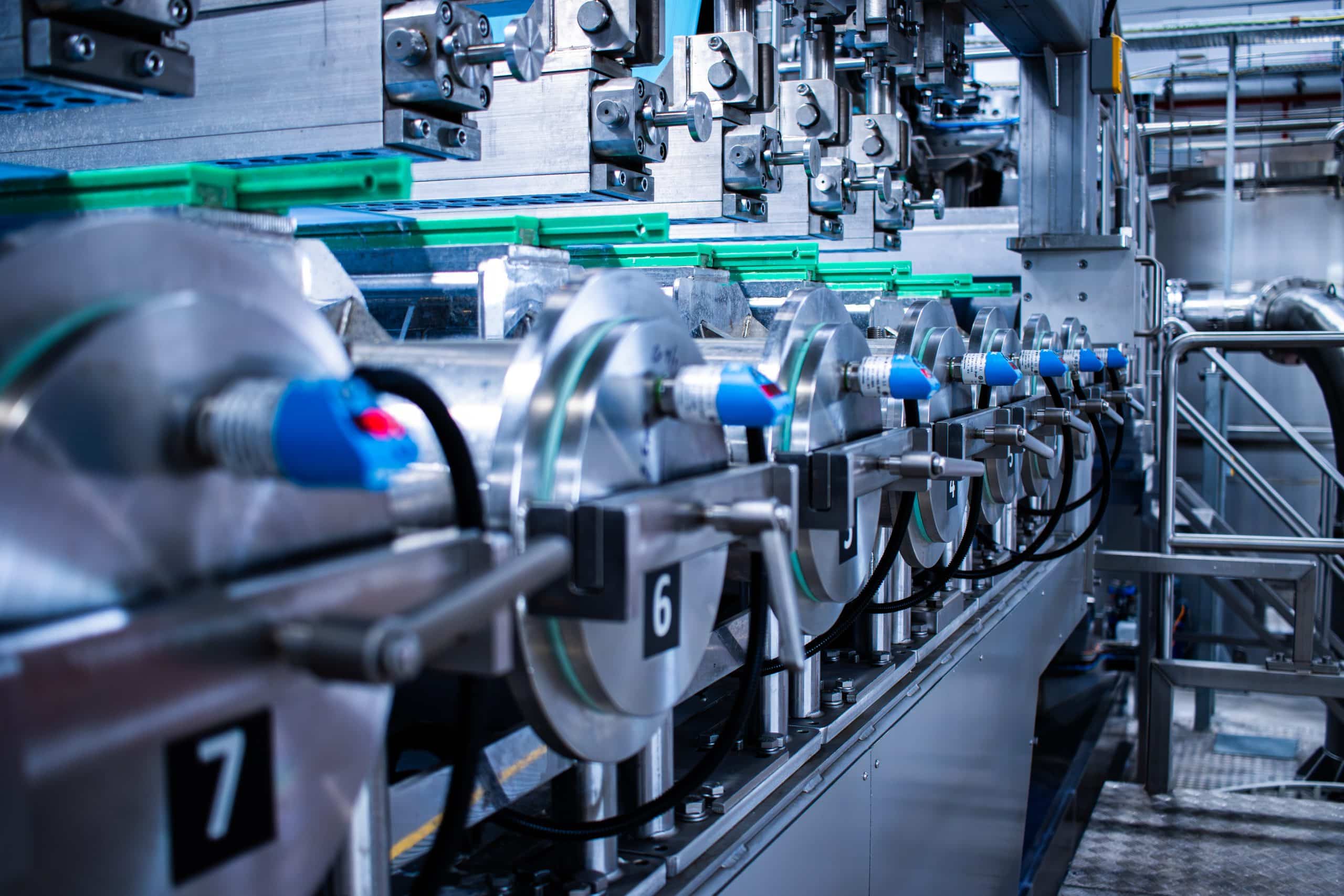
KM HydroJet is a hydroentanglement machine designed to mechanically bond wetlaid and nonwoven webs using high-pressure water jets.

Meet us at INDEX 26
Upcoming Event

Meet us at INDEX 26

KM HydroJet is developed for manufacturers who need controlled fiber bonding, improved substrate strength, and stable nonwoven web quality after the forming process.

In the hydroentanglement process, high-pressure water jets pass through the web and cause fibers to mechanically entangle. This bonding method can be used for wetlaid, wetlaid-spunlace, spunlace, carded, crosslapped, and spunlaid nonwoven structures.

With configurable jet heads, application-based pressure settings, and user-friendly maintenance features, KM HydroJet provides a flexible and efficient solution for strengthening nonwoven substrates before dewatering, drying, slitting, and winding.

High-Pressure Water Jet Bonding

KM Hydrojet Performance

KM HydroJet improves web strength by using high-pressure water jets to mechanically entangle fibers within the web structure.

The number of jets and the amount of pressure are critical for achieving the right bonding level, web integrity, and final substrate performance. This makes KM HydroJet a key process unit for manufacturers producing high-quality wetlaid and spunlace nonwoven materials.

Fiber Entanglement

Uses high-pressure water jets to bond fibers without conventional chemical bonding.
Improved Web Strength

Increases mechanical strength and substrate integrity for improved web strength.
Configurable Jet Heads

Jet heads can be configured according to application and customer needs.

Stable Process Control

Designed for consistent bonding performance and uniform across the web.
The Critical Bonding Unit of the Wetlaid Line

Why KM HydroJet?

KM HydroJet is built for manufacturers who need reliable performance, flexible jet configuration, easy maintenance, and strong substrate quality.

As the bonding unit of the wetlaid production line, it directly affects web strength, tear resistance, converting compatibility, and final product quality. In Kansan Materials’ wetlaid line concept, KM HydroJet helps improve the mechanical strength of the nonwoven substrate and supports better downstream converting performance.

Hydroentanglement

From Loose Web to Bonded Substrate

How KM HydroJet Works

KM HydroJet performs the hydroentanglement stage after web formation. The loose fiber web is carried on mesh belts while high-pressure water jets pass through the web and create mechanical fiber bonding.

After these stage, the web continues to dewatering and drying stages before final slitting and winding.

1
Web Feeding

The formed wetlaid or nonwoven web enters the hydroentanglement section.

2
Water Jet Application
High-pressure water jets are sprayed through the web on mesh belts.
3
Fiber Entanglement

The water jets mechanically entangle fibers and improve web strength.

4
Dewatering
Excess water is removed after bonding.
5
Drying

The bonded web continues to the drying process for moisture removal.

Flexible Bonding for Different Web Structures

Compatible Web Types

KM HydroJet can be configured for a wide range of nonwoven web structures and bonding requirements. KM Hydrojet is used in wetlaid, wetlaid-spunlace, spunlace, carded, crosslapped, and spunlaid nonwoven applications.

This flexibility makes KM HydroJet suitable for manufacturers working with natural, synthetic, and blended fibers in hygiene, wipes, filtration, technical, and specialty nonwoven applications.

Wetlaid Webs

Spunlace Webs

Carded Webs

Spunlaid Webs

KM Hydrojet for Nonwoven Substrate Applications

APPLICATION AREAS

KM HydroJet is suitable for manufacturers producing nonwoven substrates that require improved mechanical strength, stable web integrity, and reliable downstream processability.

Its capability supports a wide range of applications including wipes, hygiene materials, biodegradable substrates, filtration media, technical nonwovens, and specialty fiber structures.

Supporting diverse industries with flexible production solutions

Wetlaid Headbox

Chemical-Free Mechanical Bonding Potential

Sustainable Water Jet Bonding

KM Hydrojet is a mechanical bonding process based on high-pressure water jets. For suitable applications, this process can support nonwoven production without adhesive chemical bonding.

Kansan Materials has also communicated that its developed filtration technology can reduce fiber and water loss while supporting sustainable nonwoven production processes.

Mechanical Bonding

Supports cellulose, pulp, and natural fiber applications.

Reduced Chemical Dependency

Supports applications where adhesive chemical bonding can be minimized.

Water & Fiber Focus

Designed with attention to water and fiber management.

Sustainable Substrates

Supports flushable and biodegradable material development.

Ready to Strengthen Your Wetlaid Web?

REQUEST A QUOTE

Contact Kansan Materials to discuss your fiber type, line width, target basis weight, bonding level, production capacity, and waterjet requirements.