






Through-Air Dryer Technology

KM TA-Dryer

KM TA-Dryer is a through-air drying system designed for efficient moisture removal in wetlaid nonwoven production lines.

Meet us at INDEX 26
Upcoming Event

Meet us at INDEX 26

KM Through-Air Dryer is developed for manufacturers who need controlled, efficient, and reliable drying performance after the wetlaid web forming and hydroentanglement stages.

The dryer removes remaining moisture from the web by circulating heated air through the material structure. This process helps stabilize the final substrate, improve production continuity, and prepare the web for slitting, winding, and downstream converting.

With its through-air drying concept, optimized airflow design, and heat recovery approach, Through-Air Dryer supports both product quality and energy efficiency in modern wetlaid nonwoven production lines.

Efficient Through-Air Moisture Removal

Drying Performance

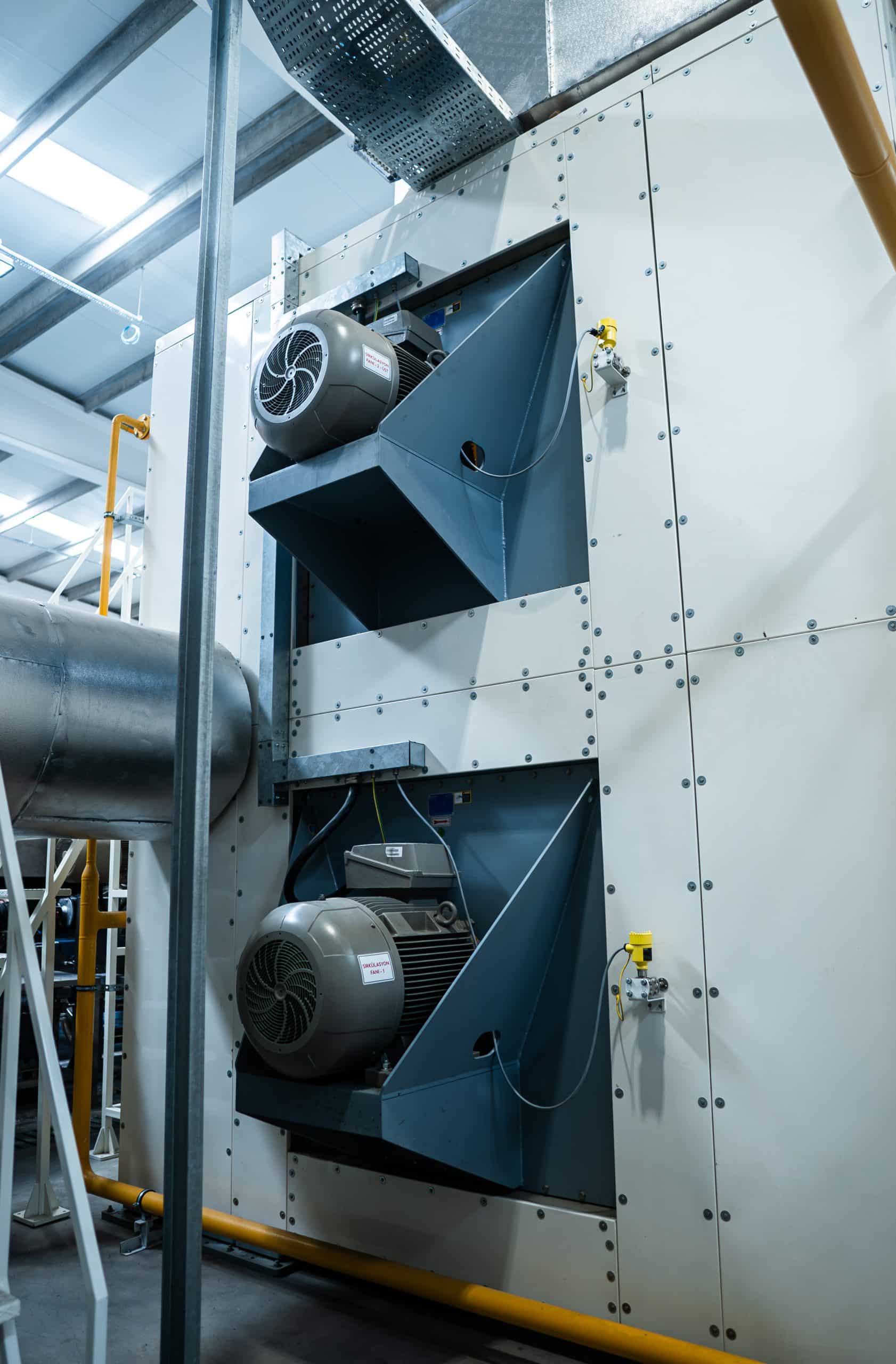
KM Through-Air Dryer is designed to remove moisture from wetlaid nonwoven webs with controlled airflow and stable heat distribution.

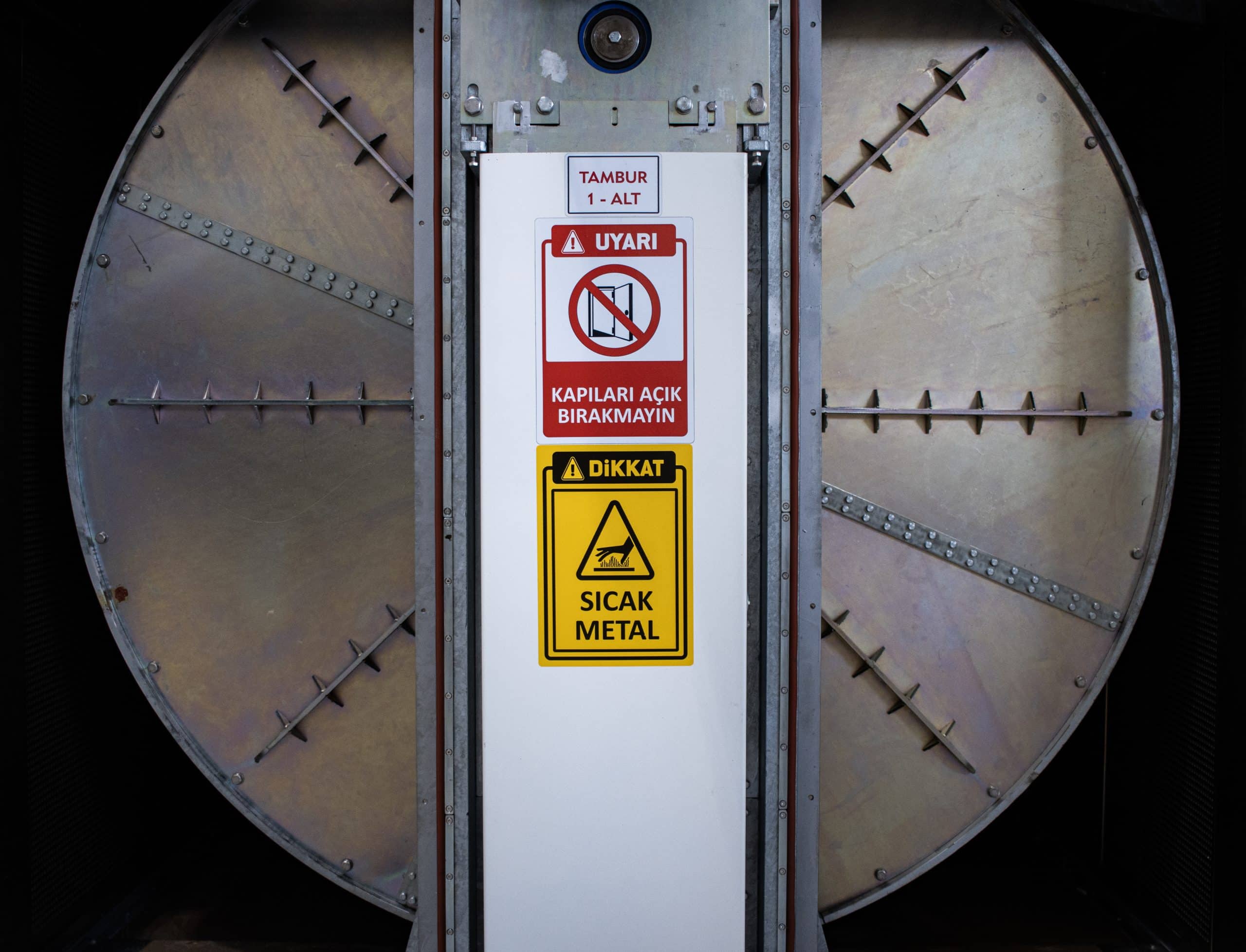
The through-air drying process allows heated air to pass through the web, helping achieve consistent moisture removal while supporting substrate quality and production stability.

Through-Air Drying

Heated air passes through the web for efficient moisture removal.

Stable Moisture Control

Supports consistent final substrate quality.
Optimized Airflow

Designed for balanced air distribution across the web.
Continuous Operation

Suitable for integrated wetlaid production lines.
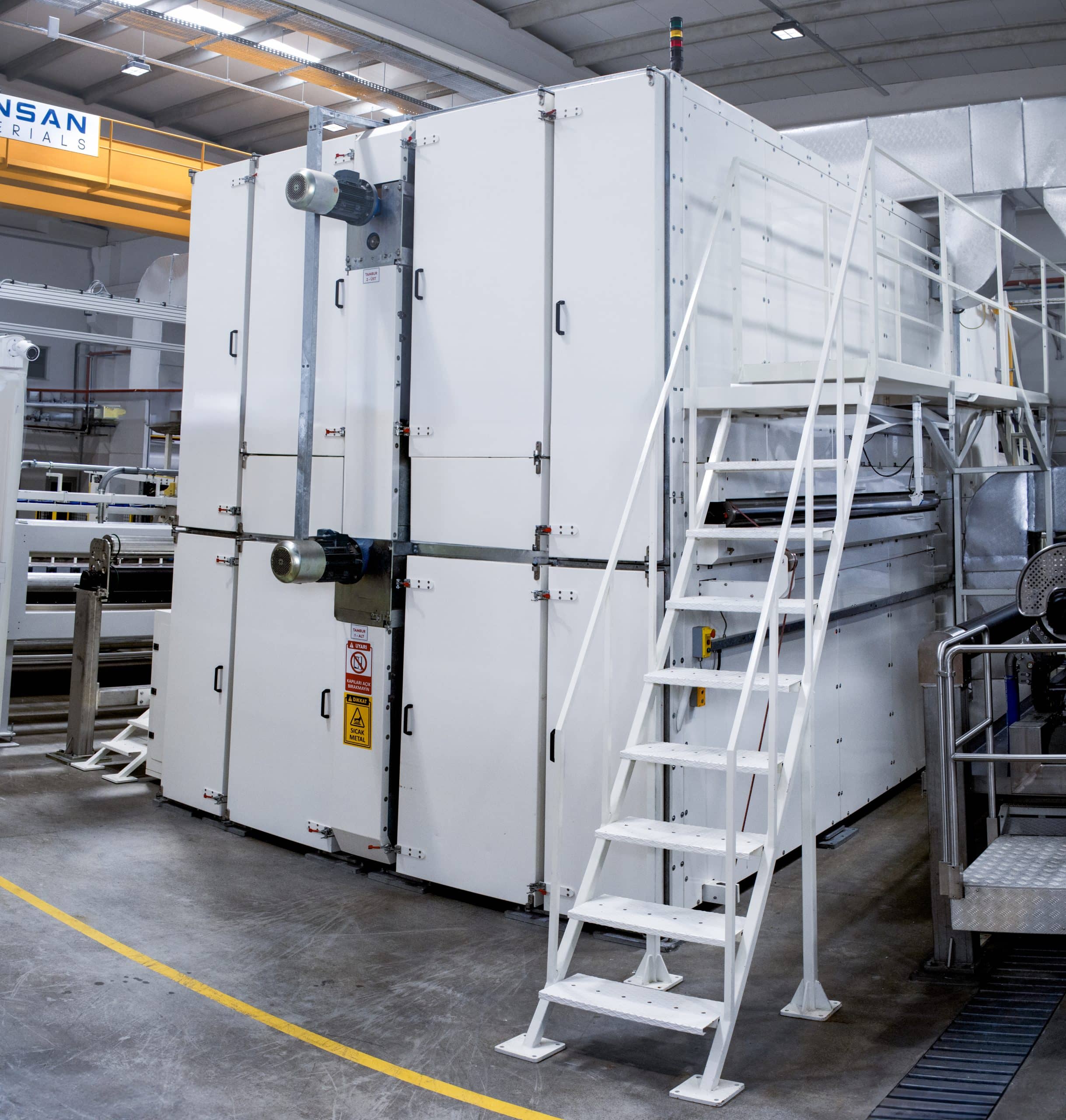
The Critical Drying Unit of the Wetlaid Line

Why KM TA-Dryer?

KM Through-Air Dryer is built for manufacturers who need reliable drying performance, controlled moisture removal, and efficient energy use in wetlaid nonwoven production.

As the drying unit of the wetlaid line, it directly affects final substrate stability, moisture level, production speed, and downstream processability.

Through-Air Dryer

From Wet Web to Stable Substrate

How KM TA-Dryer Works

KM Through-Air Dryer performs the drying stage after web forming, hydroentanglement, and dewatering.

The web enters the dryer with remaining moisture. Heated air is circulated through the web structure to remove water, stabilize the substrate, and prepare the material for final slitting and winding.

1
Web Entry

The dewatered wetlaid web enters the through-air dryer.

2
Heated Air Circulation

Controlled hot air is circulated through the web structure.

3
Moisture Removal

Remaining moisture is removed from the nonwoven web.

4
Airflow Control

Air distribution is managed to support uniform drying.

5
Heat Recovery

Recovered heat can support improved energy efficiency.

6
Final Process Stage

The dried web continues to slitting, winding, or further processing.

Designed for Energy-Conscious Drying

Airflow and Heat Recovery

Drying is one of the most energy-intensive stages in wetlaid nonwoven production. KM Through-Air Dryerr is designed with attention to airflow control, heat utilization, and energy recovery.

By optimizing heated air circulation and recovering usable heat from the drying process, the system helps manufacturers improve energy efficiency while maintaining stable drying performance.

Controlled Air Circulation

Supports balanced drying across the web width.
Heat Recovery Potential

Designed to recover usable thermal energy.

Reduced Energy Loss

Improves overall drying efficiency.

Process Stability

Helps maintain consistent temperature and moisture.

Drying for Nonwoven Substrate Production

APPLICATION AREAS

KM Through-Air Dryer is suitable for manufacturers producing wetlaid nonwoven substrates that require controlled drying, stable moisture levels, and reliable downstream processability.

Its through-air drying concept supports a wide range of applications including wipes, hygiene materials, biodegradable substrates, filtration media, technical nonwovens, and specialty fiber structures.

Supporting diverse industries with flexible production solutions

Through-Air Dryer

Project-Based Drying Engineering

Controlled Airflow and Moisture Management

Drying performance depends on several process parameters including web structure, basis weight, fiber blend, line speed, inlet moisture, target outlet moisture, airflow distribution, temperature profile, and heat recovery configuration.

KM Through-Air Dryer is engineered project by project according to production width, drying capacity, substrate type, moisture target, and complete line requirements.

Temperature Control

Configured according to substrate and moisture target.

Airflow Distribution

Designed for stable drying across the web width.

Moisture Targeting

Supports controlled final substrate conditions.

Project Configuration

Adapted to line speed, web width, and drying requirements.

Ready to Improve Your Wetlaid Drying Process?

REQUEST A QUOTE

Contact Kansan Materials to discuss your web width, basis weight, fiber blend, inlet moisture, outlet moisture target, production capacity, and through-air drying requirements.